Sussex
Cross Farm: A Sustainable Country Garden in the High Weald
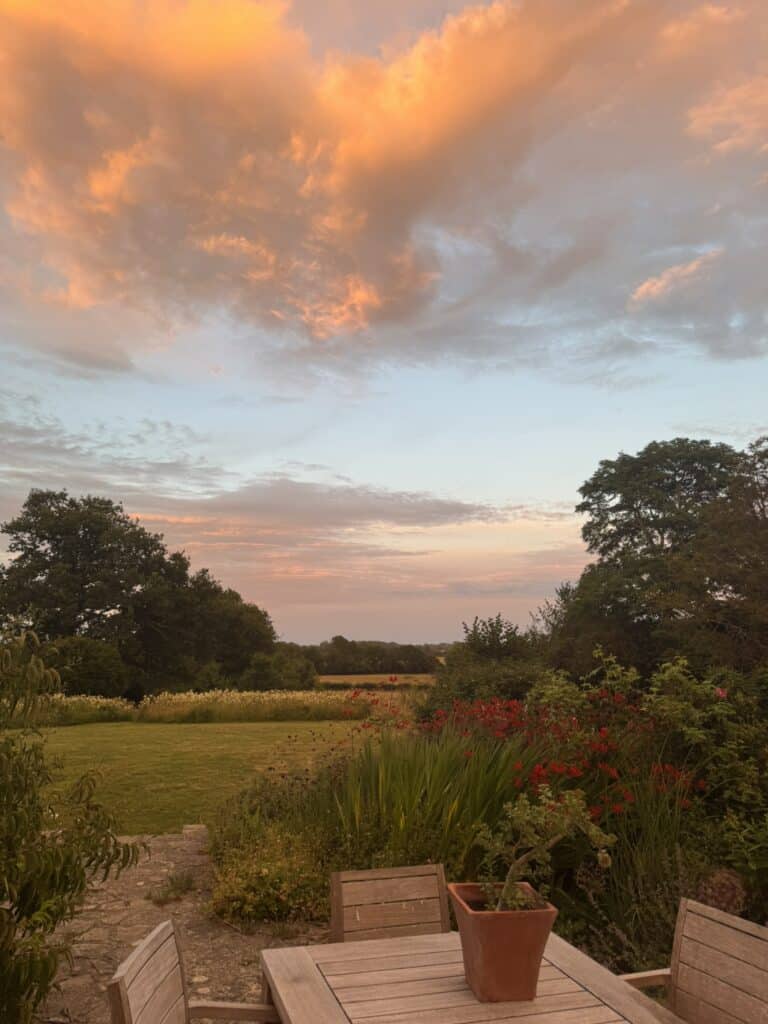
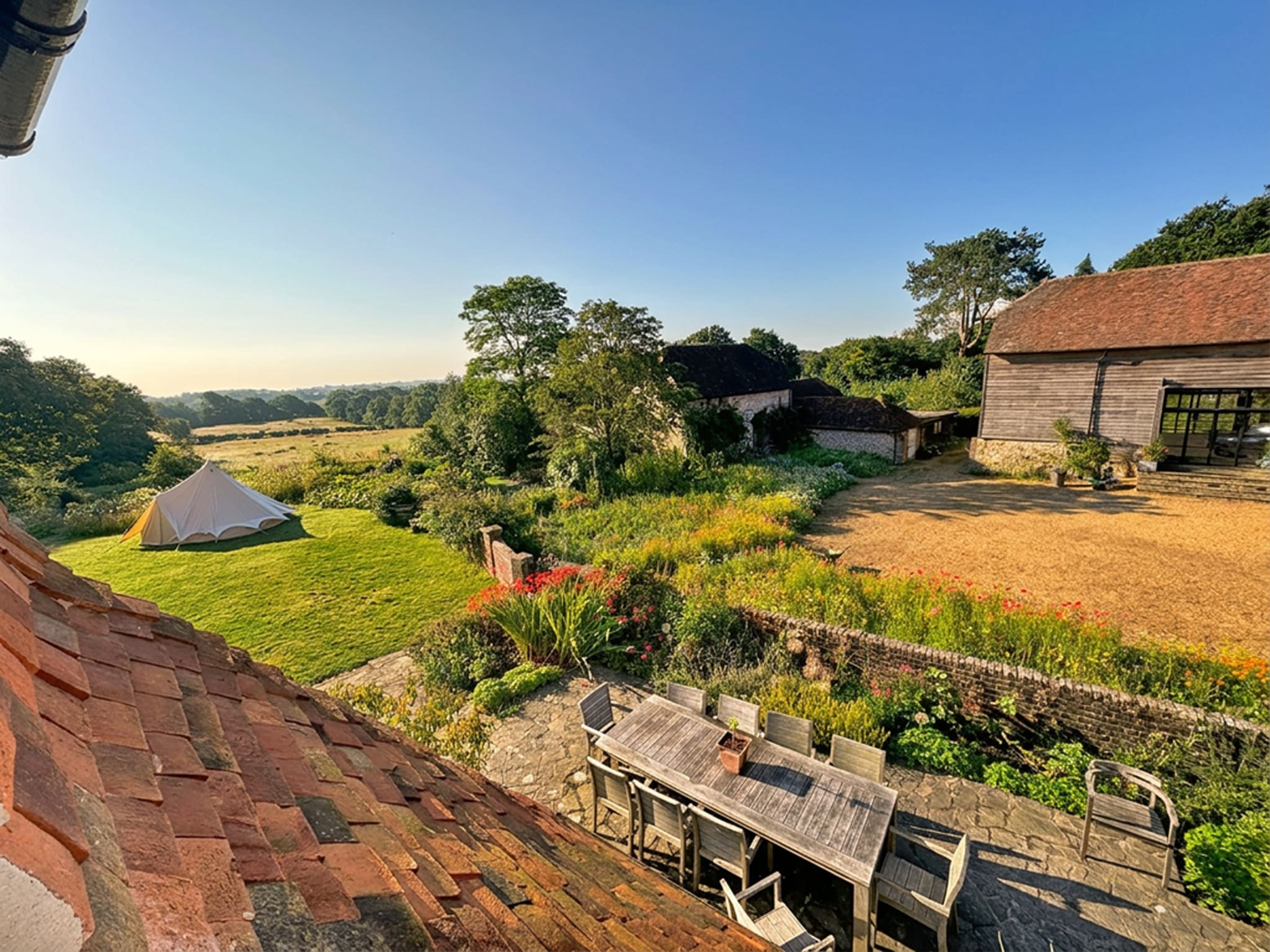
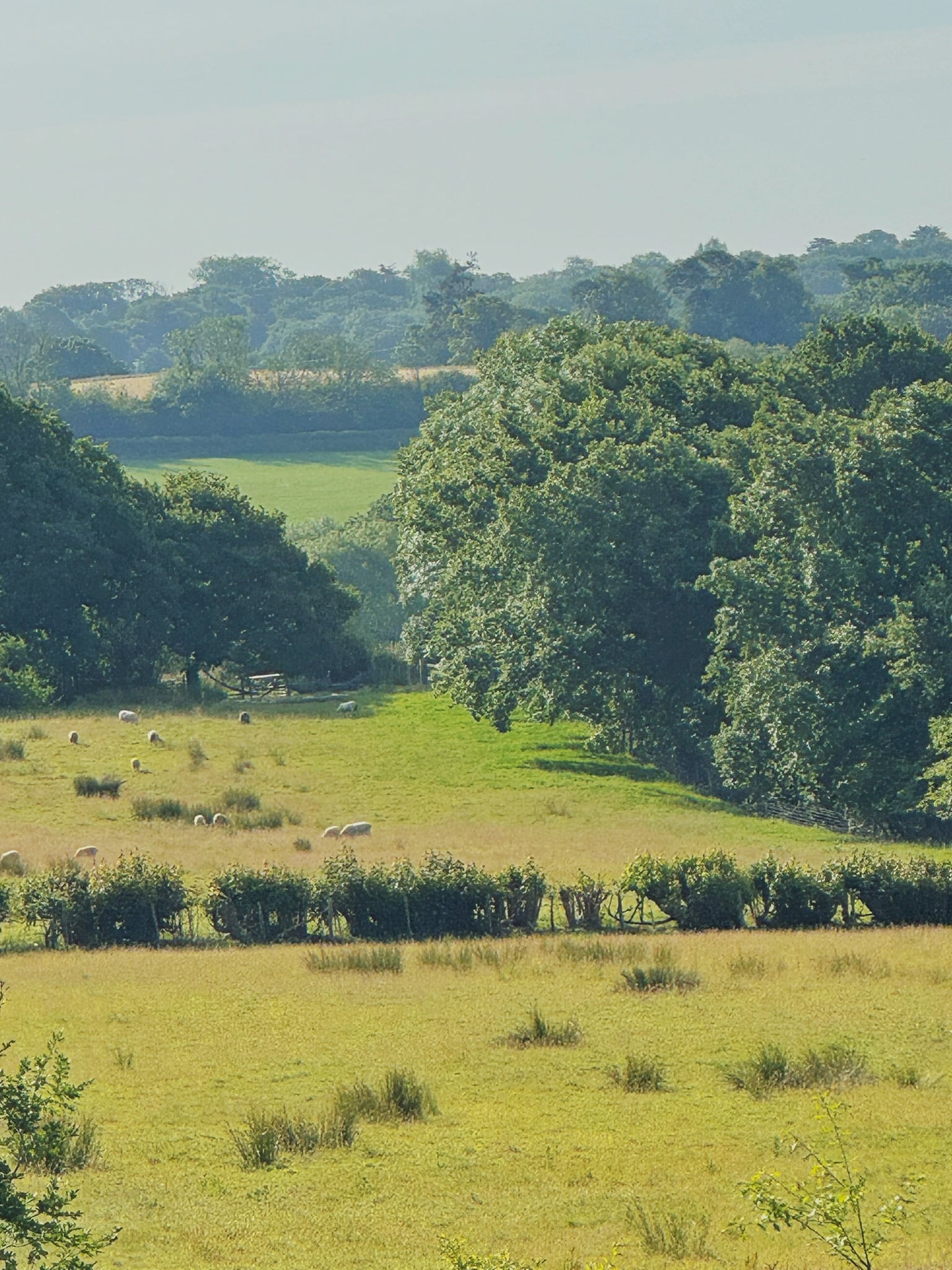
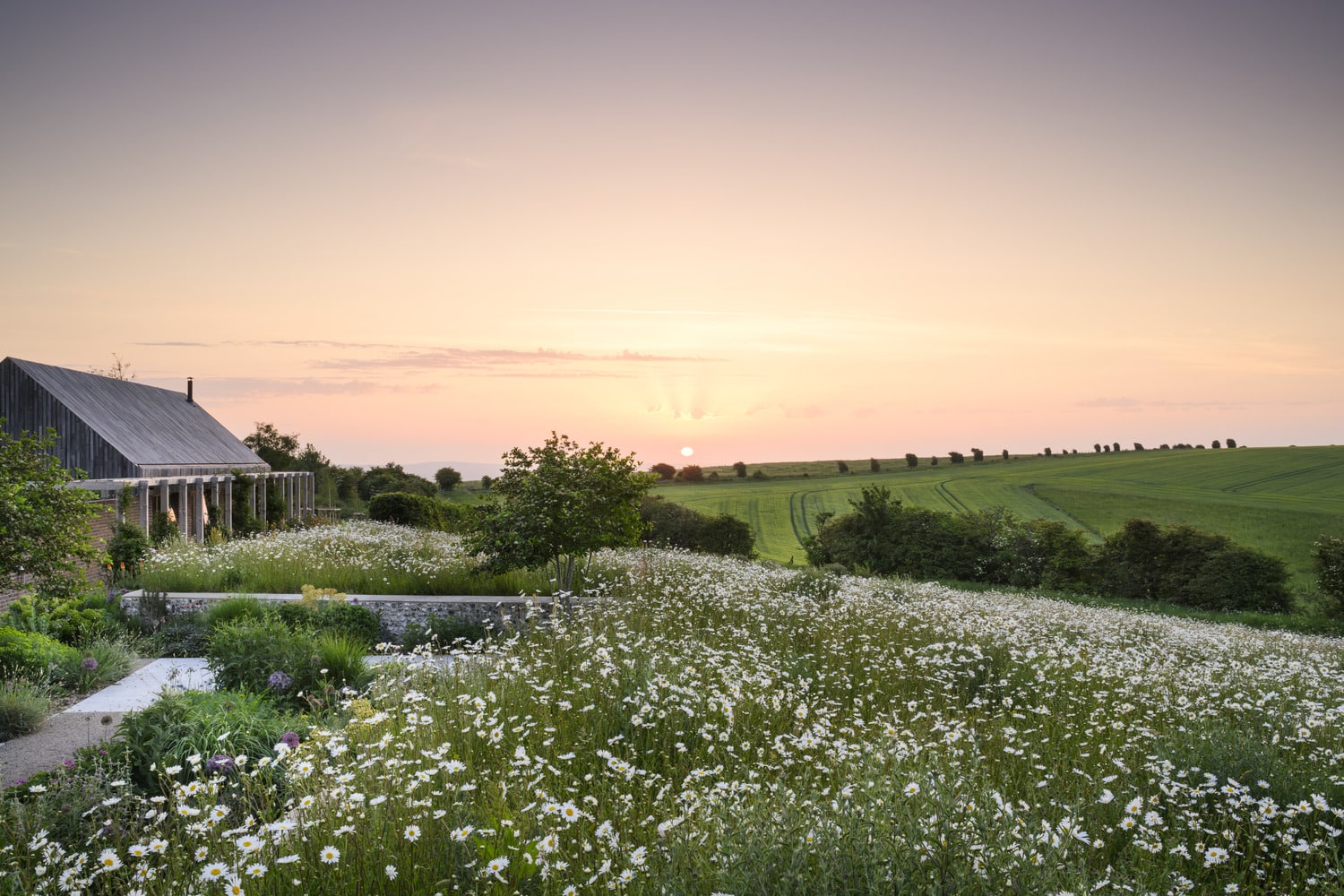
Cross Farm is a special project because it is my own home and my horticultural heartland. 36 acres of rural clay in the High Weald National Landscape (formerly AONB) it is a work in progress and a living experiment. The design is lead by the management. I cannot afford an army of gardeners and although I have the desire, I do not have the time so it is all designed around my ability to look after it.
Designing a 36 -acre garden around a historic Sussex farmstead
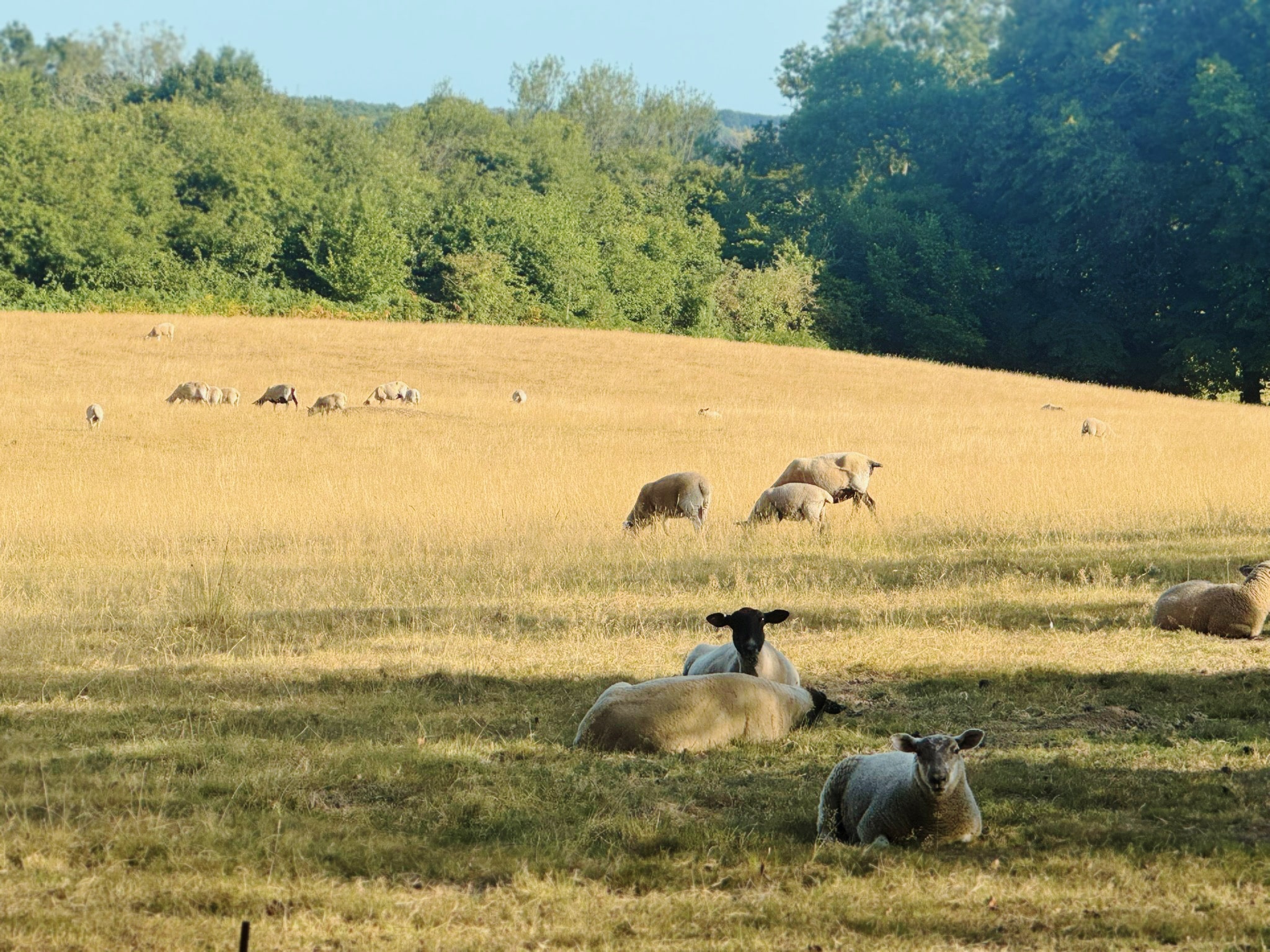
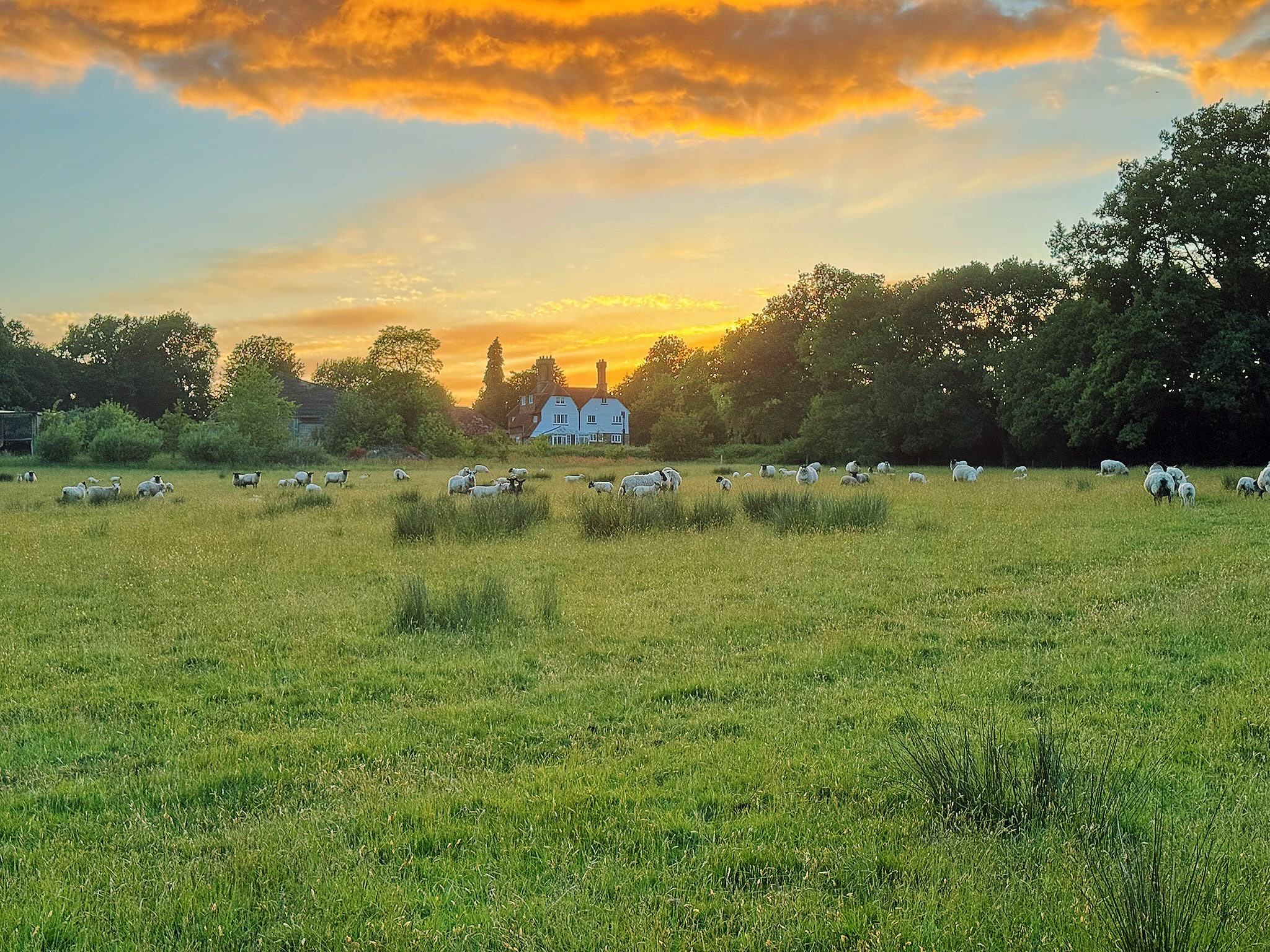
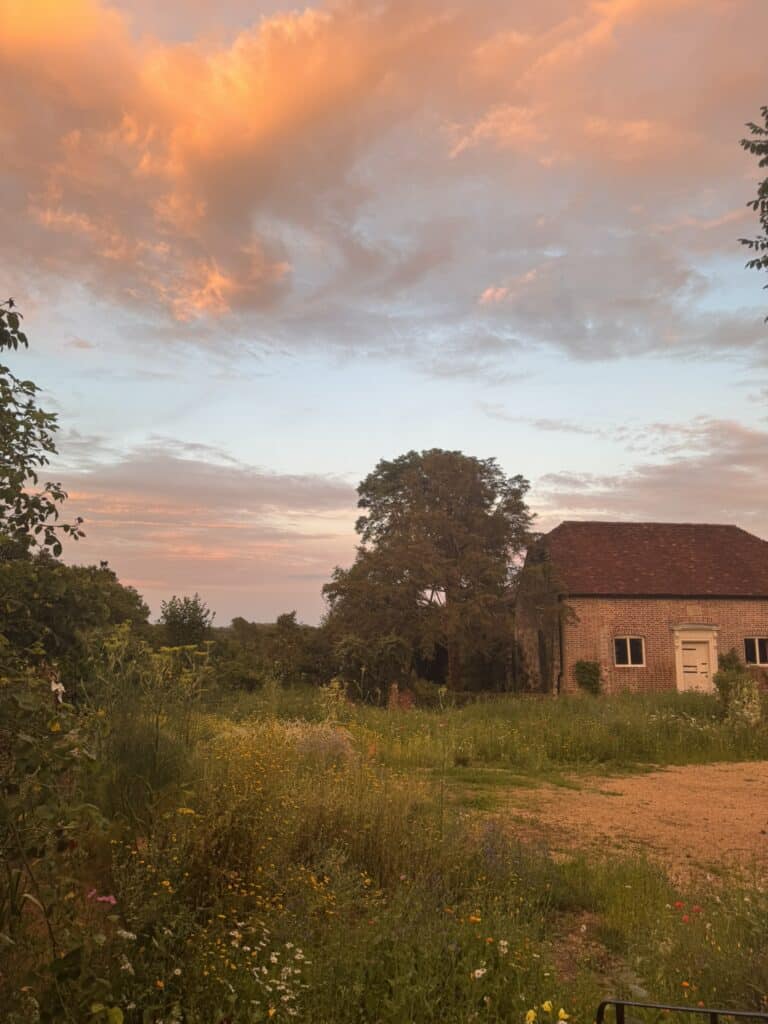
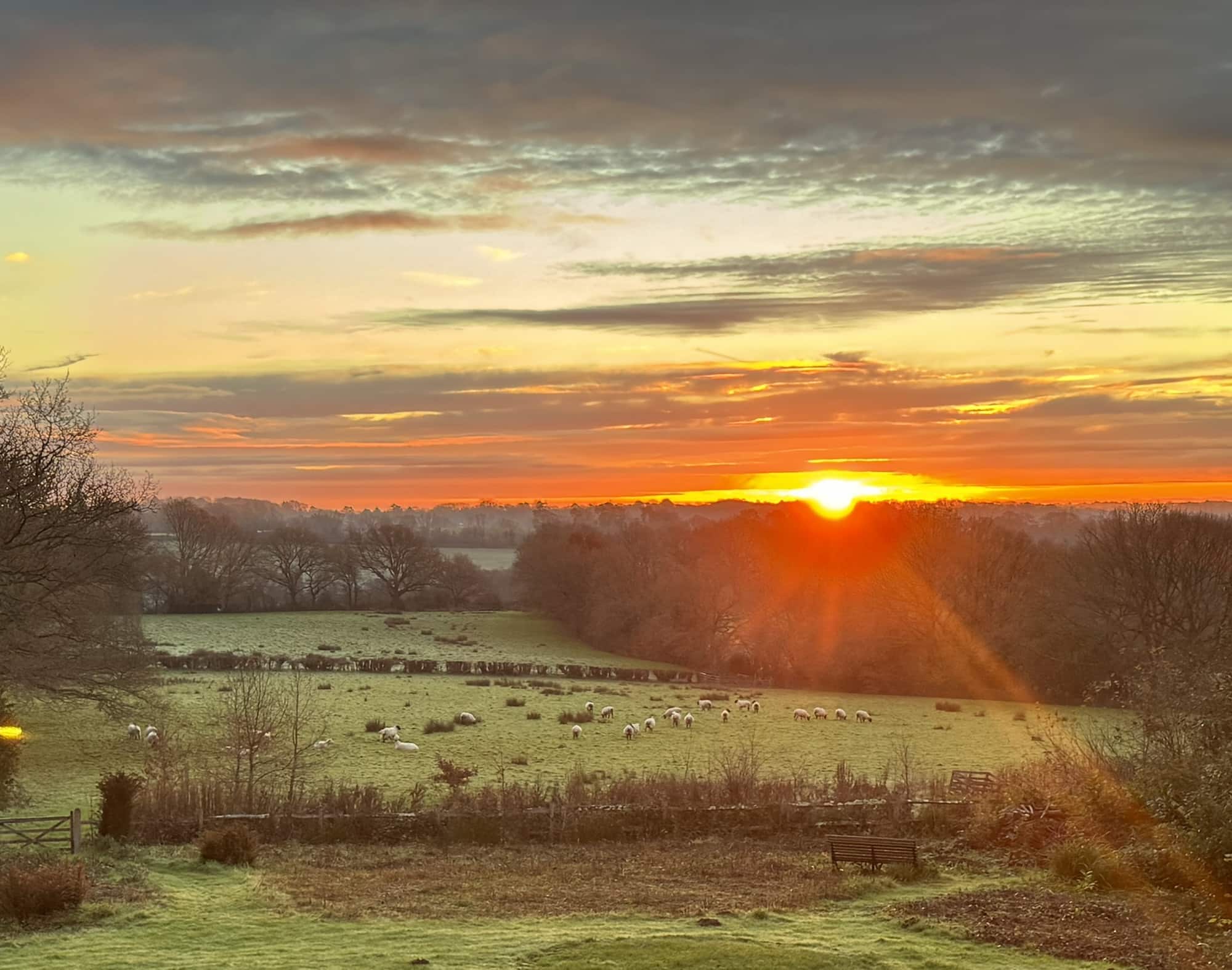
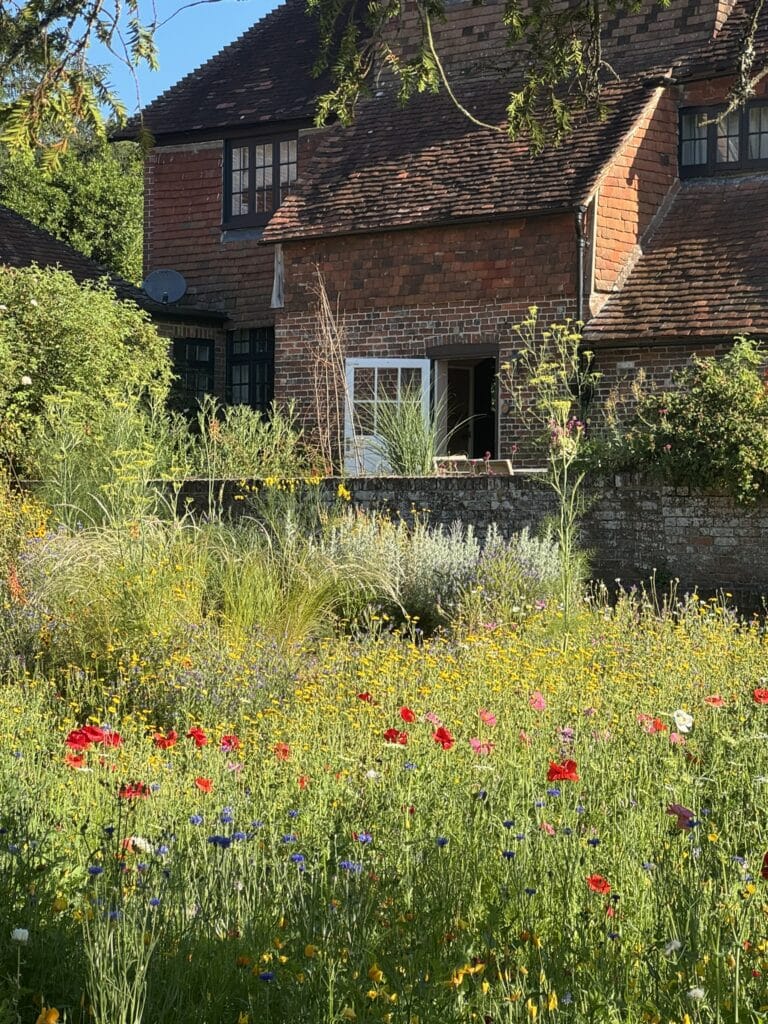
The gardens are emerging around the collection of Grade II Listed buildings at the centre which constitutes a farmstead that dates back 400 years and an ancient tithe barn, lovingly restored by the previous owners. The land is grazed by sheep and while they keep the grass under control they are close croppers and biodiversity is suppressed. We have been planting trees and reclaiming acreage. Rewilding is under serious consideration but at nearby rewilded Knepp Estate they say that one pig will plough 40 acres a year, more than we have so we are evolving and adopting our own hybrid techniques to disturb soil and provide opportunities for plants to colonise the land. Grants are being applied for and tree planting, fencing and wildlife ponds are in the near future. The landscape is gradually changing and views have been opened up.
A naturalistic perennial garden designed for low maintenance
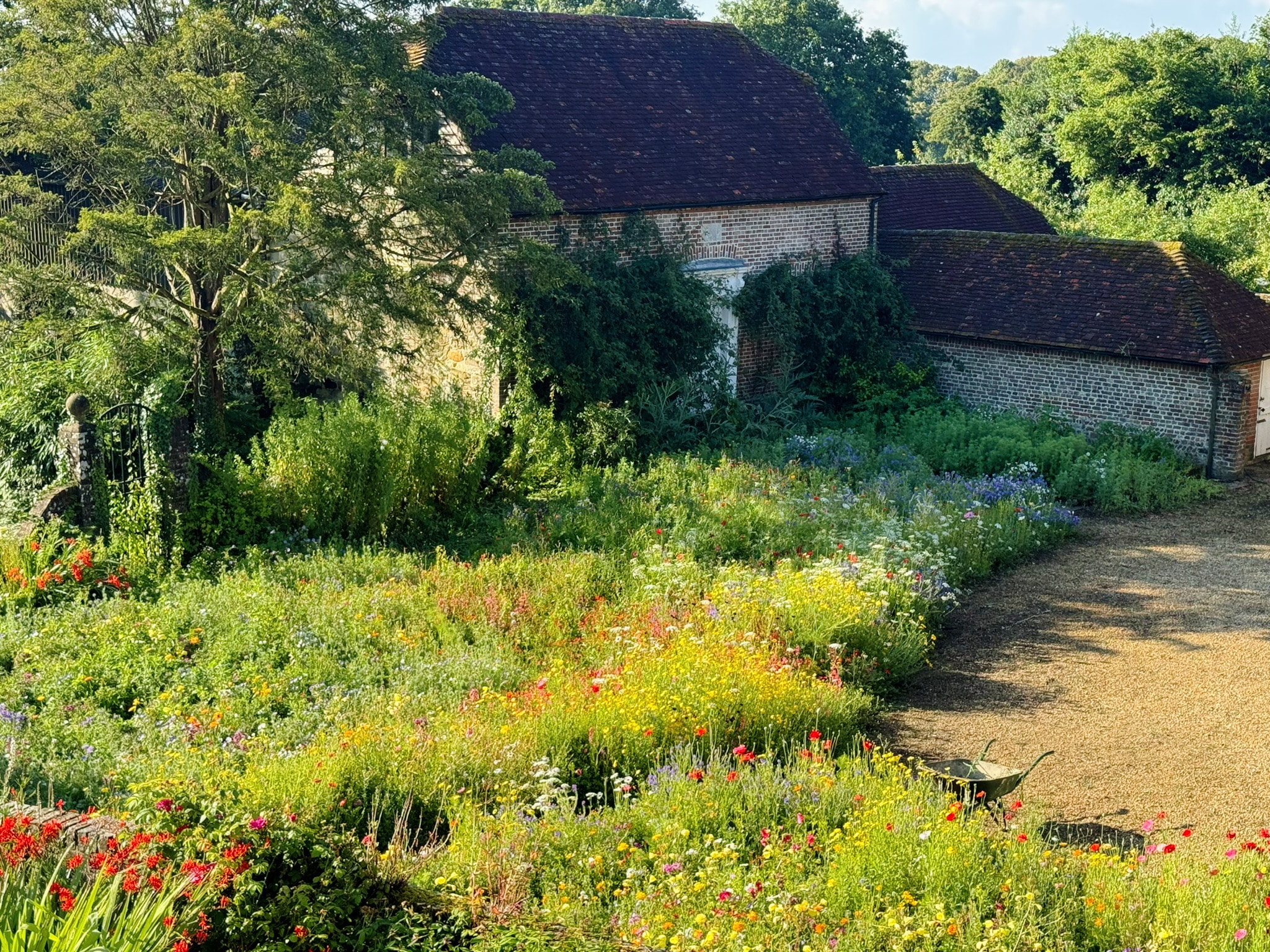
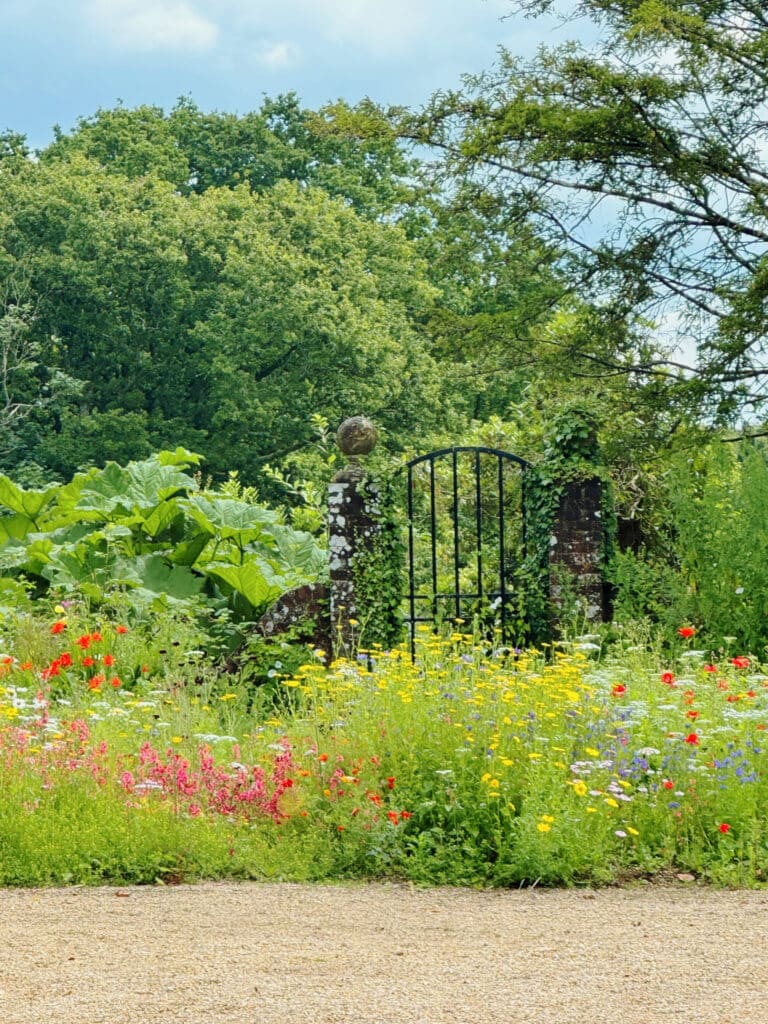
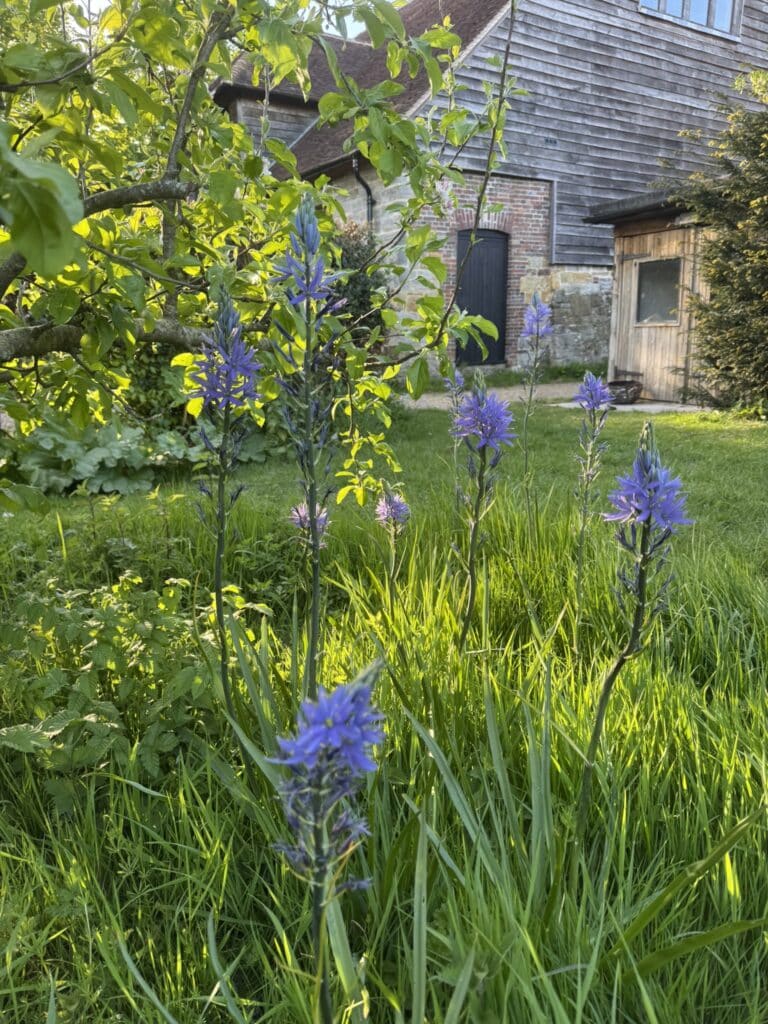
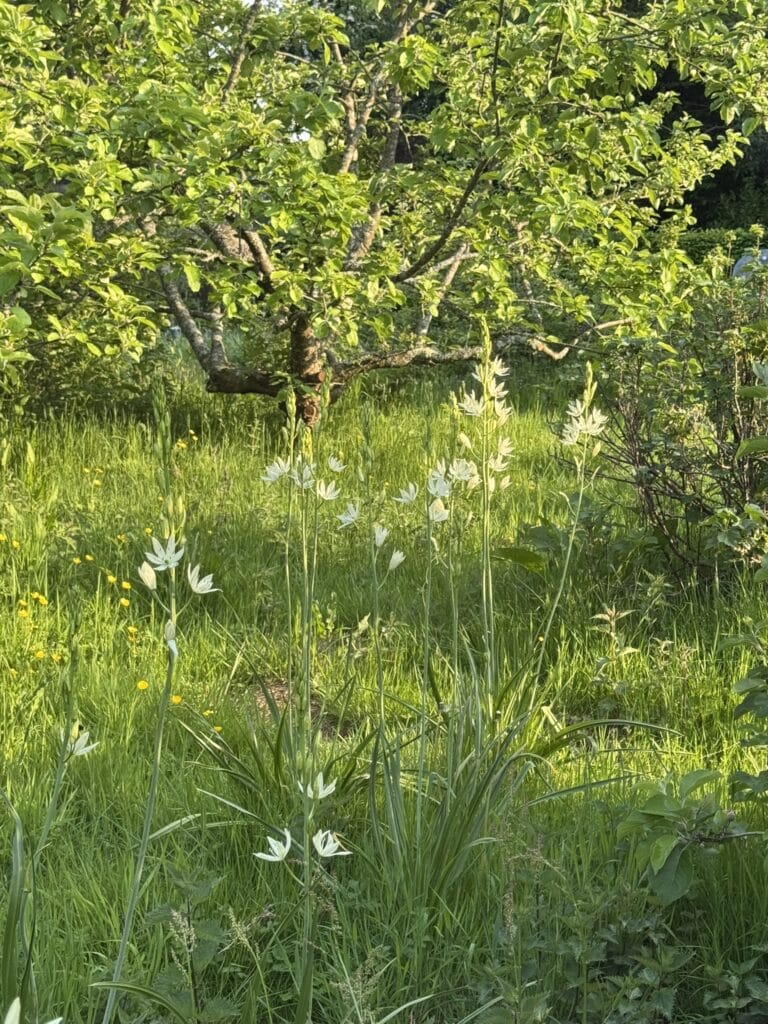
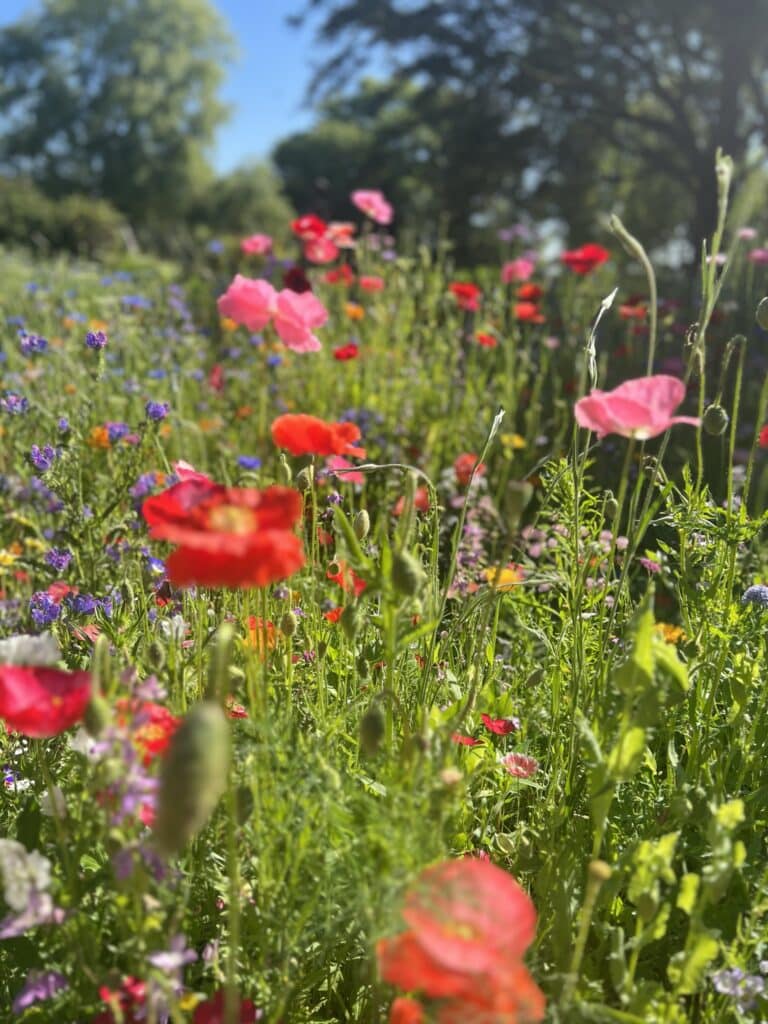
A naturalist perennial garden is complete – designed so it can be strimmed once in February, weeds burnt off with a small flame thrower and then given a mulch and left for another year. A garden inspired by plant hunting in south-east Asia is in its final phase with some horticultural curiosities and the woodland garden – is being rethought following the droughts of 2026. The old orchard gets a new application of Camassia each year and looks incredible in May but the centre piece, subject to Listed Building consent, is the sand garden which is underway in the old farmyard.
Creating a climate-resilient sand and gravel garden
Instead of removing the layers of tarmac, chalk, rubble and old buildings accumulated and compacted over centuries we are going on top. Using rubble from site – old walls and paving – we create free draining mounds capped by sand and planted with largely mediterranean species. Dressed in a gravel mulch it looks like a gravel garden but it is incredibly diverse. The sand retains moisture in summer but prevents the plants getting waterlogged which allows the more fragile and tender plants to survive wet winters. Crushed rubble mixed with soil and other substrates will be added to create novel ecosystems which support biologically exciting ecological communities.
Creating habitat for pollinators, birds and wildlife
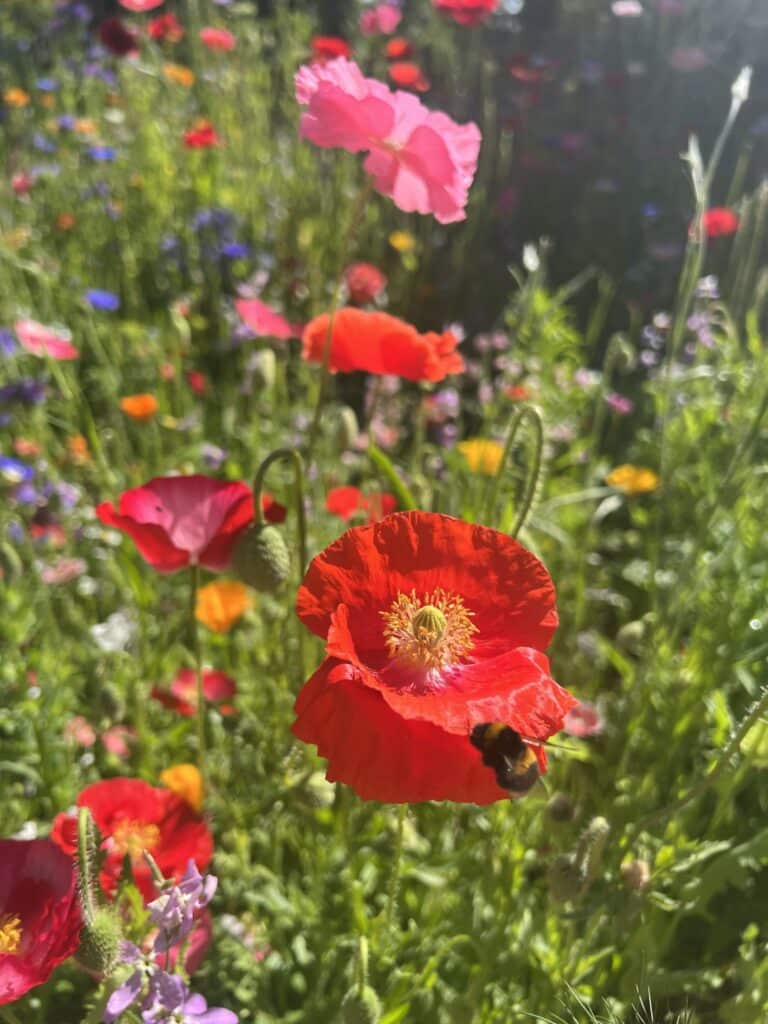
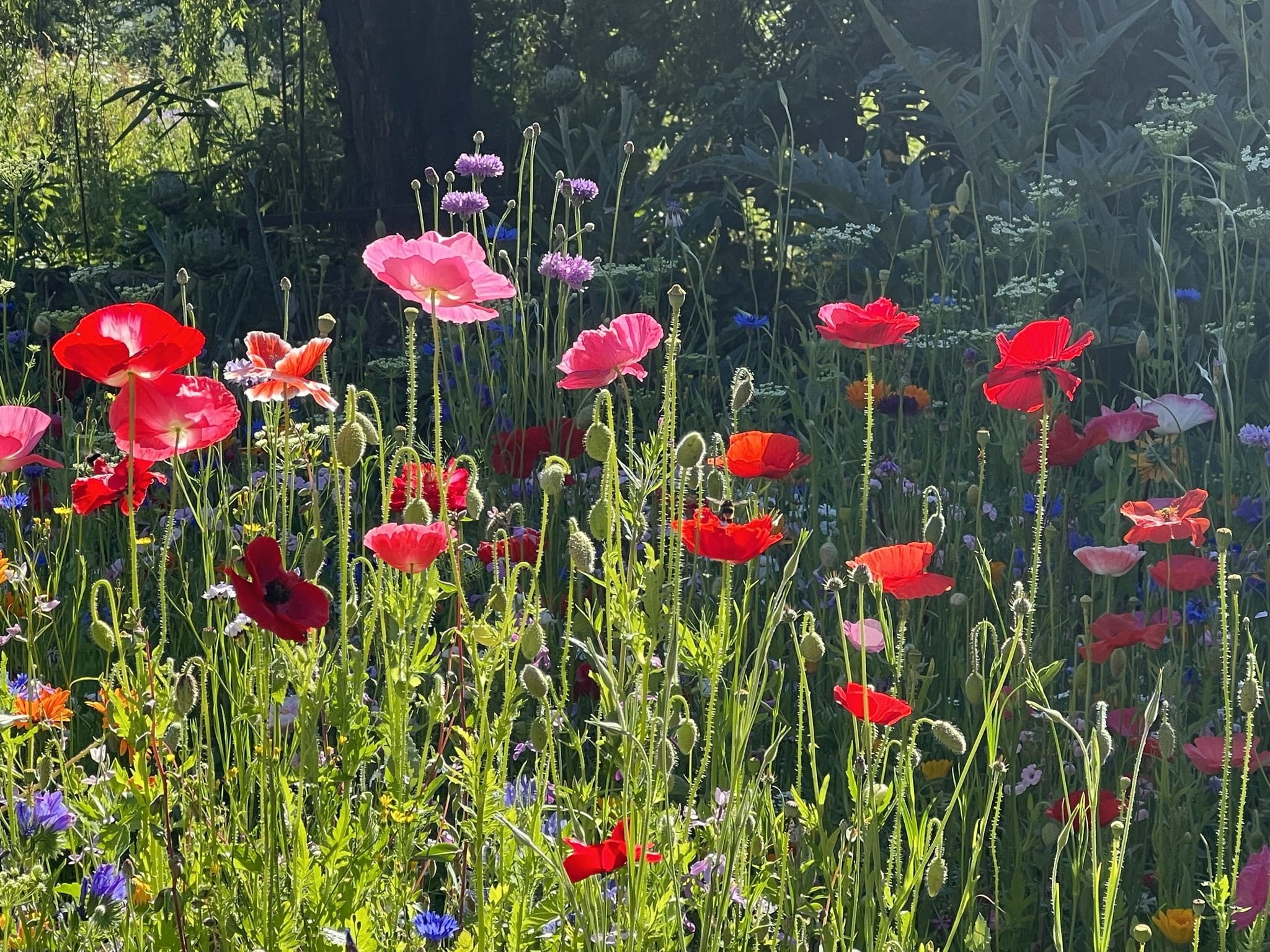
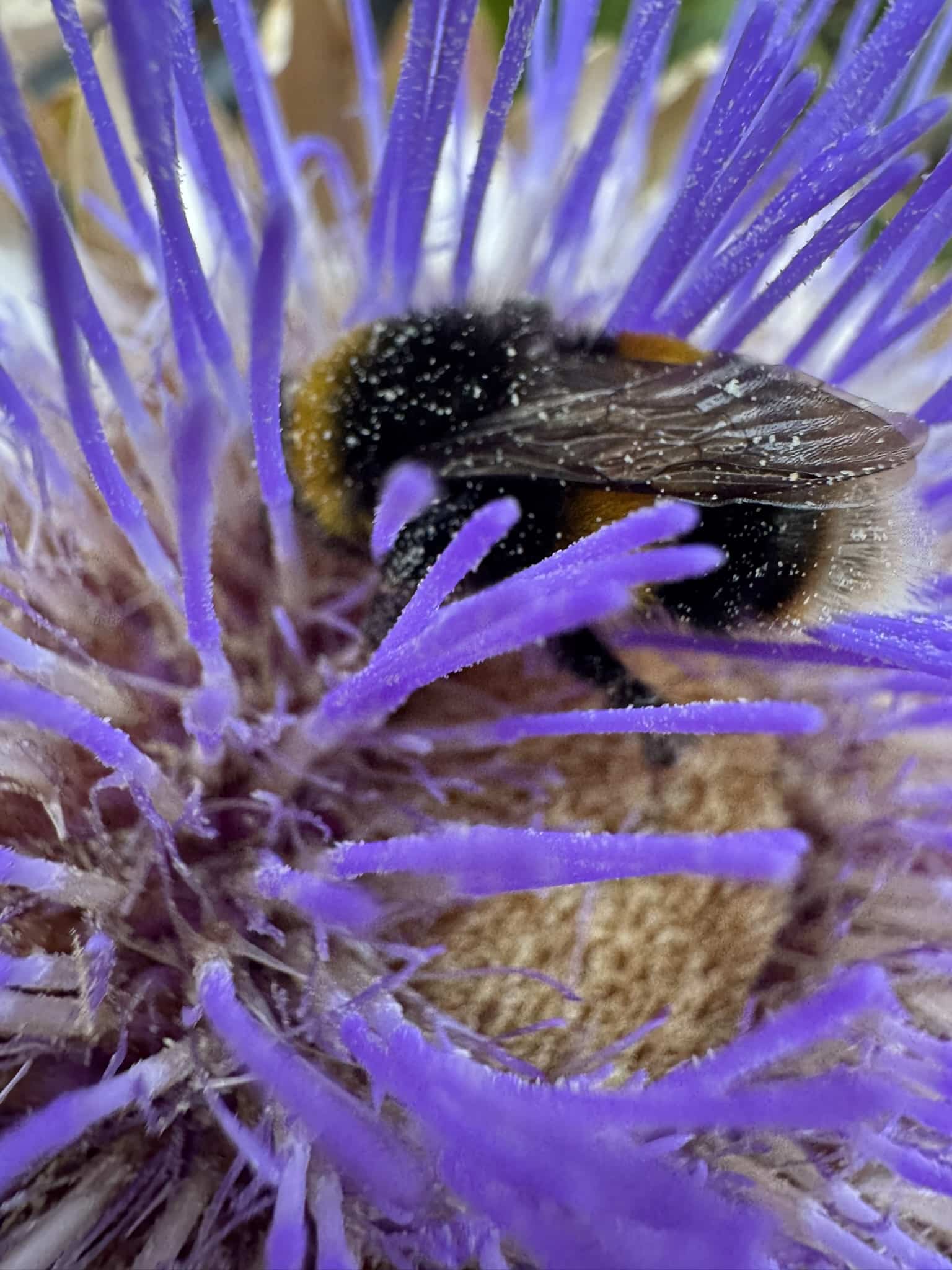
I am as interested in the animals as I am in the plants Glyphosate is a thing of the past. Butterfly and bee numbers have increased exponentially and so too has bird life.